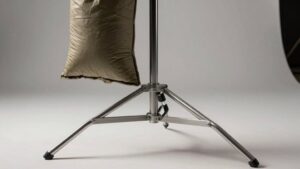
Are Tripod Leg Locks Interchangeable Between Brands? What Actually Swaps
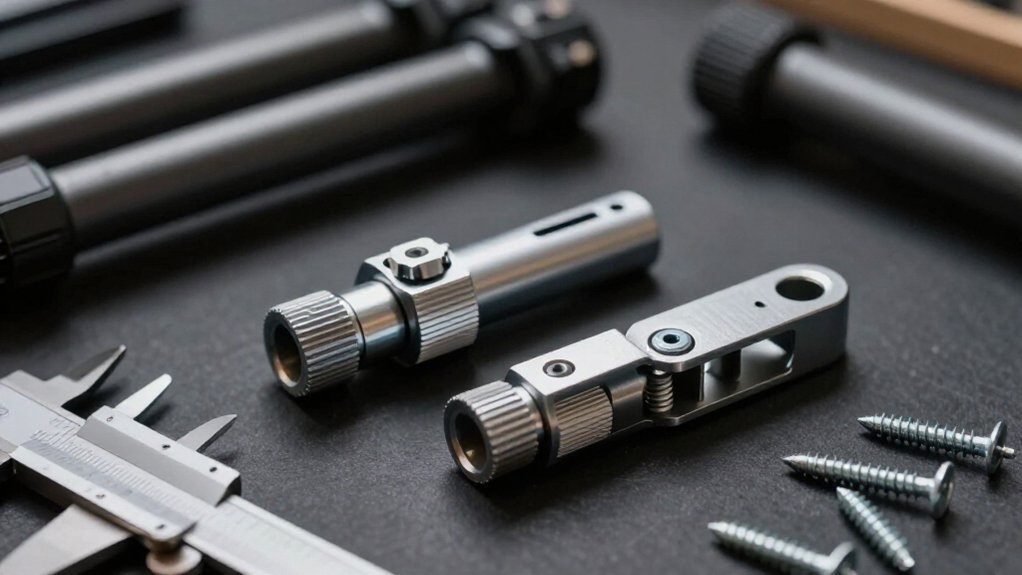
Tripod leg locks rarely interchange across brands; you’ll need to match the lock to the leg tube and clamp geometry, not its appearance. Identify your exact model and series, then measure tube shape and diameter, collar bore, width, and thread diameter and pitch.
Complete, brand-matched cam kits are safer than swapping a lever alone. Verify smooth full-travel movement and secure grip before loading the tripod; the details below help you check each fit with confidence.
Brand-Specific Fit Constraints
Start with brand and model, not appearance: Manfrotto/Bogen locks are safest to replace with parts from the corresponding brand and model series, since they typically won’t fit MeFoto, Vanguard, or other brands. Treat the maker and series as your first compatibility filters; a similar-looking lock doesn’t establish a fit.
Within Manfrotto/Bogen, stay within the same model family whenever possible. The Bogen 3221/3021 family may share hardware with Manfrotto 055XPRO/055XPROB models, but don’t assume cross-brand interchangeability; verify the part or series documentation before ordering. Also identify your tripod’s precise model before selecting center-column or pivot pieces: geared and non-geared designs, pivot geometry, guide holes, and hinge widths vary by series. Use the model label or manual, not visual resemblance, to confirm the replacement part number.
Clamp Diameter Compatibility
After confirming the tripod’s model and series, check the clamp’s inner diameter against the leg-tube diameter: that match, not the brand name, determines whether the lock will seat and grip properly.
Measure the clamp’s bore and the tube it surrounds; compare diameters, not labels. For a 20–30 mm part, a difference of about 1–2 mm may be workable, but treat that as a tolerance, not a guarantee. Round tubing needs a round clamp with matching geometry. A close diameter won’t compensate for a mismatched shape, which can stop the collar seating smoothly or prevent pressure.
If your measurements exceed that range, expect looseness or weak lock tension as you tighten the lever. Test the fit, and reject any swap that shifts, binds, or fails to hold the leg securely.
Measuring Collar Thread Pitch
Which collar are you measuring—the threaded outer sleeve or the clamp screw? Identify the part before comparing threads. Measure its diameter with calipers and record the value. To find pitch, photograph the threads or use a straightedge. Count crests across a known span, such as 10 mm, then divide the count by that length to get threads per millimeter.
Record both diameter and pitch: metric collars may use fine or coarse pitches, and matching diameter alone doesn’t establish compatibility. A 1–2 mm collar or tube diameter mismatch may still be workable when parts are about 20–30 mm wide, but pitch must match precisely. Test-thread the parts briefly by hand. Smooth engagement and correct end-stops support compatibility; wobble, binding, or early bottoming means stop: the specification is wrong.
Cam Lever Replacement Kits
When you choose a cam lever replacement kit, check that it includes the correct clamp, locking part, and any placement-specific shims. Don’t assume it’ll fit another brand: match the lock architecture and leg-tube shape and diameter, ideally within 1–2 mm.
If the lock feels loose after installation, adjust tension in small increments—no more than about a quarter turn at a time.
Kit Components
For cam-lever replacement kits, choose the exact brand and, ideally, model series because clamp geometry, lever travel, and tube interfaces aren’t standardized. A complete kit should include the lever, cam, fastener, and two-part clamp or lock pieces that tighten and hold the leg.
Replacing only the lever may leave the clamp unable to generate reliable holding force, even when the tube diameter appears close. For tubes around 20–30 mm wide, a 1–2 mm difference may be acceptable, but diameter alone doesn’t confirm correct fit. Check that the cam seats squarely and the lever closes through its intended travel without binding. After installation, adjust tension in roughly quarter-turn increments; stop if resistance rises or the lock action binds, then test the leg safely.
Brand Compatibility
Although some cam-lever kits look similar, they generally aren’t interchangeable across brands: the lever and cam geometry, clamp shape, and internal tolerances must match the tripod’s leg-tube diameter and lock housing.
Within one brand, you’ll get the best match by series or model; cross-brand mixing should fail unless you’ve identified exact components. A replacement kit may include two functional pieces: the clamp tightens around the tube, while the lock controls sliding and locking.
Replace the correct part or parts.
| Visual cue | Compatibility check |
|---|---|
| Clamp ring | Match tube diameter |
| Lever housing | Match lock design |
On 20–30 mm areas, a 1–2 mm mismatch can prevent secure clamping.
You can’t upgrade another lock architecture with a similar kit; match the exact interface, series, and model before ordering.
Fit and Adjustment
A cam-lever replacement kit fits only when its clamp matches the leg-tube diameter and its lever geometry matches the tripod’s lock assembly, ideally within the same brand and model series. Check the kit’s tube dimensions, clamp width, pivot location, and clearance before ordering; similar-looking levers don’t guarantee a fit. These kits usually replace the joint’s clamp-and-lock hardware, not the tripod’s locking architecture.
A mismatched lock body or hinge can bind against the tube or fail to control leg sliding. A 1–2 mm difference may work with a clamp roughly 20–30 mm wide, but closer dimensions improve your odds. After installation, adjust the tension screw in small steps, about a quarter-turn at a time. Test opening, closing, and leg movement after each change. Don’t overtighten: the lever may stop operating, or you may break its internal snap parts. If adjustment can’t secure the leg while keeping the lever movable, stop and verify the part number.
Leg Section Material Differences
When you compare aluminum and carbon-fiber leg sections, account for differences in stiffness, thermal expansion, and surface friction, not just diameter. Tube diameter and wall thickness affect fit, clamping force, and sliding clearance. Use material-specific clamps, since a same-size section may not lock reliably if its finish or profile differs.
Aluminum and Carbon Fiber
Because aluminum and carbon fiber respond differently to temperature changes, leg material can affect how consistently a lock holds tension as you extend or retract the tripod.
Aluminum tripods often use lever locks, while carbon fiber models more commonly pair with twist rings. These pairings reflect architecture and seal behavior, but neither lock type belongs exclusively to one material. Twist locks use threaded compression and gaskets to adjust pressure as temperatures shift, so they may maintain tension more consistently across a wider range than some lever designs.
When you compare replacement locks, confirm the mating parts fit and move smoothly; apparent compatibility isn’t enough. For either material, grit and moisture can wear seals and reduce holding force. Inspect locks regularly; replace worn seals promptly.
Diameter and Wall Thickness
For leg-section interchange, start by matching the tube diameter: locks are designed for specific size classes, often within a roughly 20–30 mm range, and even a 1–2 mm difference may work if the other dimensions align. Then check wall thickness: two tubes with the same outside diameter can present different fit, changing how firmly the lock grips and how smoothly the section slides. Compare the replacement with the original rather than relying on brand or nominal sizing.
Confirm tube shape as well. Round sections need matching round geometry; square, triangular, flat-sided, or fluted tubes may not nest in a standard round lock. If internal flutes guide sliding, the replacement must match their profile, or the leg may bind and extend unevenly.
Before buying, measure the tube at the lock location and inspect both its exterior and interior. Treat interchange as unconfirmed until diameter, wall, and nesting tolerances match. Check fit through the full travel before putting the tripod under load.
Material-Specific Clamps
Matching diameter and wall thickness isn’t enough; the clamp must also suit the leg tube’s material and shape. The clamp must match the tube’s exterior, so a round-leg lock won’t nest or slide correctly on a six-sided section. Even at similar diameters, mismatched shape or wall thickness can cause binding or weak grip; a 1 to 2 mm difference may be tolerable only on sections about 20 to 30 mm wide.
Material matters. Carbon-fiber tubes may need a different friction interface than aluminum because they offer less surface compliance. If you mix parts, the clamp may creep under load instead of holding. Check the tube profile, dimensions, and lock internals—not just diameter. You’ll usually get the best fit within the same brand and model series for compatibility.
Replacement Collar Fit Checks
Before buying a replacement collar, confirm that it fits the leg tube’s diameter, shape, and lock profile; collars rarely interchange across brands. Check the correct family or series first; Manfrotto/Bogen-compatible parts may fit within that ecosystem, while another brand’s collar can misalign despite a similar diameter.
On 20mm or 30mm clamp surfaces, a replacement within roughly 1–2mm is more likely to avoid binding or slipping, but measurement alone doesn’t prove compatibility. Match round tubes with round collars and confirm the lock profile seats evenly.
| Surface | Check | Risk |
|---|---|---|
| Tube shape | Match round-to-round | Poor seating |
| Parts | Keep shims in place | Weak grip |
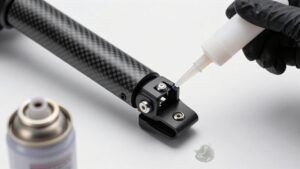
During disassembly, note each shim’s location and orientation; reinstall it there, because misplaced interface parts can prevent the collar from gripping the leg securely and correctly.
Cold-Weather Plastic Brittleness
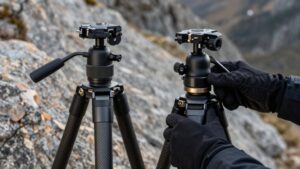
In freezing temperatures, plastic collets, gaskets, and cam parts can stiffen and become more brittle, so even modest tightening stress may crack a housing or impair the lock’s action. You may notice twist locks feel loose because contracting compression sleeves or collets don’t seat consistently; check that the final quarter-turn clamps firmly and evenly. With flip locks, gloves can hide incomplete lever travel, while cold-stiff cam interfaces resist movement.
Confirm engagement by feel or sound before loading the tripod. Don’t force a lock that won’t close fully: excess torque can snap a lever or leave it stuck shut, and tension may change with use. After exposure to grit or sand, clear the mechanism and recheck its engagement; debris can jam a cam, compounding cold brittleness.
Thread-Pitch Mismatch Risks
Even when two twist-lock parts fit a similarly sized tube, mismatched thread pitch or standards can make the sleeve bind or bottom out before it applies enough clamping force. A similar housing measurement, even within 1–2 mm, doesn’t confirm compatibility; brand and series determine thread form and pitch.
- If threads bind, stop; forcing them can damage the sleeve or lock body.
- If they bottom out early, the collar may feel tight without clamping the leg.
- Without full engagement, the section can slip under load; the gasket or collet may not seat, increasing creep and debris entry.
- Swap threaded parts only when you’ve confirmed an exact pitch-and-series match. Lever locks use cams, so thread pitch matters less.
Test the assembled lock under controlled load first.
Caliper-Measure the Clamp Collar
Once thread compatibility checks out, use calipers to compare the clamp collar’s outer width, inner bore or tube-seat diameter, and thickness with the original part. Measure both collars at matching reference points: compare thickness at the screw or bolt region, not just at mid-collar.
A roughly 1 2 mm difference may work on a 20 30 mm collar, but verify fit rather than assuming tolerance. Confirm the collar matches your leg’s tube geometry; round-leg locks need hardware shaped for round tubes. Check the seating surface for flutes, inner threads, or nesting features that could bind during insertion or prevent proper locking even when widths seem close. Before ordering, record carefully all three measurements in millimeters: outer width, inner bore or seat diameter, and collar thickness.
Conclusion
You can swap a tripod leg lock only when its collar diameter, thread pitch, and leg-section dimensions match. Measure the collar with calipers and verify thread pitch before buying; similar-looking parts may not fit, and forcing mismatched threads can damage the leg. Cam levers and replacement kits are more likely to interchange than complete collars, but check brand-specific fit notes.
Also consider leg material and cold-weather brittleness. When dimensions or compatibility remain uncertain, use the manufacturer’s replacement part. A precise match avoids loose clamps and costly repairs.