Why Are Carbon Fiber Tripods So Expensive? What the Extra Money Buys
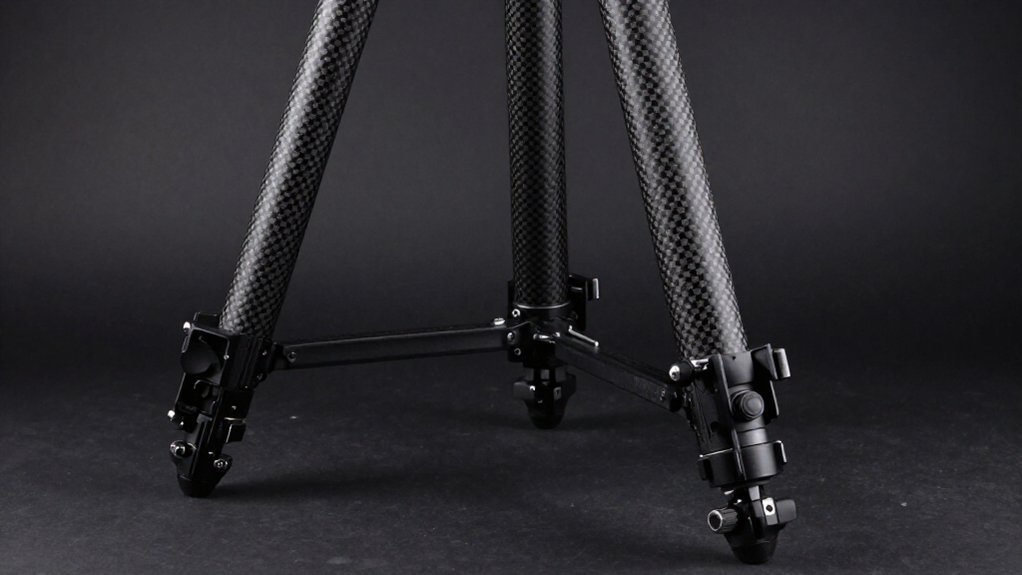
Carbon-fiber tripods cost more because manufacturers layer directional fibers, control epoxy curing, and inspect tubes for voids or misalignment: these steps extrusion avoids. You get comparable load capacity at lower weight, plus vibration damping that can protect long exposures and macro detail.
Precision locks add reliable clamping, but cold impacts can make composites less tolerant than aluminum. Warranty exclusions matter, particularly for cracks from drops. The sections ahead explain which upgrades justify the cost for your setup.
What Carbon Fiber Costs Extra
The price premium starts with the legs: manufacturers lay up layered carbon-fiber sheets, often in multiple weave directions, then cure them under controlled conditions, a more precise, labor-intensive process than extruding aluminum tubing. You’re also paying for higher-grade inputs and inspections that catch voids, delamination, and misaligned fibers before they reach you. Those checks can increase labor and scrap rates.
Epoxy resin needs tightly managed curing, so production varies more than machining common 6061 or 7075 aluminum alloys. Design adds another cost: engineers tune stiffness-to-weight and vibration damping for long exposures, requiring testing beyond the material bill. You also get tighter tolerances and costlier leg-system components than comparable aluminum models. Compare payload capacity, folded size, and service costs before buying for your actual kit.
Layered Carbon-Fiber Tubes
Because carbon-fiber tubes combine woven sheets with fibers oriented for strength and stiffness, manufacturers must lay them up precisely and bond them with epoxy under controlled curing conditions. That process demands repeatable composite tooling and handling at each stage. Unlike aluminum, which manufacturers can extrude and machine through relatively direct steps, carbon-fiber legs require technicians to align plies, apply resin, form tubes, and cure each assembly consistently. Small errors can weaken the finished leg or undermine its stiffness-to-weight advantage.
You’re paying for inspection as well as materials. Quality-control teams check for internal voids, layer separation, and misaligned fibers; defects that machining alone won’t reveal. That scrutiny adds labor and rejects imperfect parts, raising costs compared with aluminum.
The payoff is practical: a tripod such as the 2.4-pound NEEWER LT38 keeps leg weight low while its composite tubes help damp vibration. So you carry less mass without giving up the rigidity needed for steady framing.
Windy Cliffside Long Exposures
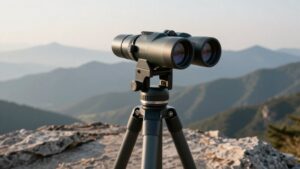
When gusts hit a cliffside setup, a lightweight budget tripod can struggle to stay still through a long exposure. The final 10–20% of stability determines whether the frame stays sharp.
Carbon fiber costs more because its damping helps camera and lens settle sooner, limiting oscillation during exposures of 1/4 to 1/2 second or longer.
You pay for tighter-fitting leg locks and heads, too. They let you fine-adjust height and secure the framing without drift as gusts push against the setup.
In cold wind, carbon’s low thermal conductivity feels more comfortable to grip while you adjust the legs, helping you work during a sunrise or sunset window. Add a stability hook or anchoring option, and a stiffer system can resist wind loads after you start the exposure.
Tube Layup Patterns
When you compare tripod tubes, unidirectional fibers align stiffness with the leg’s main loads, while woven plies add strength across multiple directions. Manufacturers vary these layup patterns and reinforce high-stress zones, balancing rigidity against weight.
You’re also paying for precise placement and curing, since misaligned fibers or resin defects can reduce stability.
Unidirectional Fiber Alignment
Inside a carbon-fiber tripod leg, unidirectional strips align fibers with the loads the tube must resist, especially bending along the leg. Repeated layers oppose axial loads and flex, so your legs combine weight with stiffness and can hold position during long exposures. That performance depends on accurate placement: if fibers shift during layup, the cured tube may lose rigidity and vibrate.
Carbon fiber is anisotropic, meaning it behaves differently across directions. Designers select fiber directions and quantities to reinforce the leg where you need resistance without adding mass. Compared with an aluminum extrusion, this tailored structure can deliver better stiffness per unit weight, but it takes more work to make. Laying, curing, tooling, and inspection all add cost, because manufacturers must verify alignment.
Woven Layup Patterns
Rather than relying on wall thickness alone, a carbon-fiber tripod tube uses layers of woven fabric wrapped around a mandrel, with each layer oriented to balance stiffness, vibration damping, and resistance to flex.
Some models use ten layers, with fiber angles chosen for the tube’s job rather than added indiscriminately. Look beyond the weave: alignment, even material placement, and gap-free overlaps matter. Misaligned fibers can create flexible paths, letting a leg move during a long exposure.
Manufacturers bond the layers with epoxy, then cure them under controlled temperature and pressure so the composite behaves consistently. Precision takes more time and inspection than aluminum extrusion, and flawed tubes may be rejected. You’re paying for repeatable layup and curing, not just a carbon-fiber label.
Strength Versus Weight
A well-designed carbon-fiber tube can match an aluminum leg’s load capacity at much lower weight because its layered fibers are oriented to resist bending and twisting.
That advantage comes from a tube layup, not simply from using thicker material. Woven sheets place fibers at angles, giving you stiffness where needed and limiting flex and twist without adding mass elsewhere. Aluminum legs, extruded or machined 6061/7075 alloys, rely on another manufacturing route.
Carbon demands precise layup and controlled curing to lock in its strength-to-weight balance. For example, a carbon tripod weighing about 2.4 lb may carry 22 lb. But that rating depends on aligned fibers, resin bonds, and checks for voids or delamination. You pay for control and verification, which keep your kit light while supporting your camera.
Leg Lock Construction
Leg-lock design determines how securely your tripod holds each carbon tube, with premium twist or flip mechanisms spreading clamp force more evenly than basic clamps.
Precision-fit parts grip firmly without crushing the laminate or allowing micro-slip that can blur long exposures. More durable threads, bearings, and grip surfaces resist wear, so you’ll make fewer adjustments and trust the locks through repeated setups.
Lock Mechanism Design
Because each extension adds a potential point of slippage, premium tripod locks use precise mating surfaces and controlled clamp force to hold the legs securely without constant readjustment. Twist and flip locks apply that force differently: with a twist design, you rotate the collar, while a flip lock uses a lever you can release quickly.
Premium mechanisms keep pressure more consistent at each extension height, helping limit flex and vibration when you shoot long exposures or work in wind.
You also get hardware that resists wear, so locking action stays smooth instead of becoming sticky or loosening like cheaper mechanisms may over time. Better lock geometry gives you grip without demanding excessive torque, so you can secure the legs with cold fingers or gloves. That consistent hold helps you spend less time retightening locks and more time composing.
Precision-Fit Components
Beyond the lock’s clamping force, precision-fit components keep each leg section aligned as you extend it. Premium models pair twist or flip locks with tighter grip surfaces, then mate threaded cones, machined inserts, or bushings precisely to composite tubes. That fit limits uneven compression and joint play, which can soften images when wind moves your setup. You’ll pay more for tighter tolerances than on basic legs, but you gain predictable alignment as sections extend.
| Fit detail | Practical effect |
|---|---|
| Tube interface | Even contact |
| Tight tolerance | Less joint play |
| Grip surface | Steadier clamping |
| Damped carbon | Less image-softening motion |
Stronger springs, friction materials, and corrosion-resistant parts handle cycles. As you extend each section, precise interfaces prevent lateral play and let carbon’s vibration damping protect images in wind, well.
Long-Term Lock Reliability
When you extend a carbon-fiber tripod, its locks must hold securely without gradually slipping or developing play. Premium models cost more because manufacturers machine lock parts to tighter tolerances and use consistent friction surfaces, so clamps hold each section at height. Cheaper locks may need frequent retightening; as their surfaces wear, legs can creep or gain play.
Stronger housings and better mechanisms preserve repeatable stiffness across extension, keeping the center position steady and limiting micro-movement that can soften long exposures. You’ll notice smoother, more predictable tightening, even with gloves or when making fine adjustments at full reach. That control helps you avoid over-tightening and premature lock fatigue.
Since damaged carbon-fiber legs aren’t easily repaired, robust interfaces reduce stress, cracking risk, and expensive replacement.
Studio Macro Photography
In studio macro photography, carbon fiber’s higher cost can pay off during long exposures, when superior vibration damping helps prevent tiny camera and lens movements from softening high-magnification images. That matters when you magnify fine textures or stack focus: even a slight disturbance can blur detail.
Compared with aluminum, a carbon-fiber tripod often weighs less at similar stiffness, so you can reposition a tall, finely adjusted setup with less effort and lower risk of bumping it. Its layered construction and controlled curing cost more than mature metal extrusion and machining; inspection also checks for voids, delamination, and misaligned fibers.
Low thermal conductivity can limit heat transfer from your hands and help reduce temperature-related drift as equipment cools. For repeated macro sessions, the premium buys a rigid, carefully aligned support, not sharper optics, and helps you keep framing steady while you adjust focus at fine working heights throughout a long day of detailed shooting.
Cold-Weather Resin Brittleness
Sub-freezing temperatures make carbon-fiber tripod legs less tolerant of sharp impacts than aluminum ones. At low temperatures, the resin matrix and reinforcing fibers flex less, reducing the composite’s toughness. A pointed blow, such as a leg striking a rock or a foot hitting pavement, can consequently initiate a crack where an aluminum tube might simply dent.
That distinction matters when you set up on icy paths or transport your tripod across frozen ground: don’t assume a light-looking impact is harmless. Carbon-fiber layup and curing controls help manufacturers limit defects, but they can’t make the material immune to cold-weather impact damage. If a leg cracks, repair may prove impractical; you may need to replace it, while a dented aluminum leg may remain serviceable or be easier to fix. In winter, handle carbon legs carefully and avoid striking hard edges.
Carbon Fiber Is Vibration-Proof
Carbon fiber isn’t vibration-proof, but its layered composite construction typically damps oscillations better than aluminum, helping a camera settle sooner after you adjust the tripod or a gust shakes it. That difference matters most when small movements can soften a long exposure or disturb a video take.
- In wind, less leg movement helps your 1/2 to 1-second landscape exposures retain sharp detail.
- Without extra mass, a lighter carbon-fiber tripod can control wiggle better than a comparable aluminum model.
- For video, reduced leg and head vibration supports smoother pans and steadier framing.
- On cold mornings, damping helps oscillations stop before you trigger a long exposure.
You’ll still need careful setup; carbon fiber reduces vibration, but it can’t completely eliminate movement from wind, loose locks, or bumps by itself.
Compare Warranty Terms
Warranty terms can explain part of a carbon-fiber tripod’s higher price: premium models often offer longer, clearer structural coverage than budget aluminum models, while specifying exclusions such as impact damage.
Compare the written terms before you buy. Premium warranties may cover delamination or voids in normal use, reflecting confidence in composite integrity. But a drop or point impact can crack carbon legs without coverage.
Some aluminum warranties may address dents or functional defects more broadly.
Check exclusions for shipping damage, misuse, missing parts, and altered serial-number components; composite repairs can be costly. Higher-priced designs may extend coverage to leg locks and head interfaces. If the maker offers replacement or refurbishment, you may lower your cost per use versus replacing a cheaper tripod unit sooner.
Conclusion
Carbon fiber earns its premium when you need low weight, stiffness, and dependable support in demanding conditions. But layered tubes, layup quality, resin, locks, and warranty terms matter more than the label alone. For windy cliffside exposures or studio macro work, compare vibration control, load capacity, and cold-weather limits against aluminum alternatives.
Choose the tripod that fits your gear and use; you’ll pay extra only where performance justifies the cost. Check repair support before buying.
Monopod Height Fit Calculator
Work out the extended monopod length you need from your eye height, head and camera, in cm and inches, and check a monopod's max length.