Should You Lubricate Tripod Twist Locks? What to Use and What to Avoid
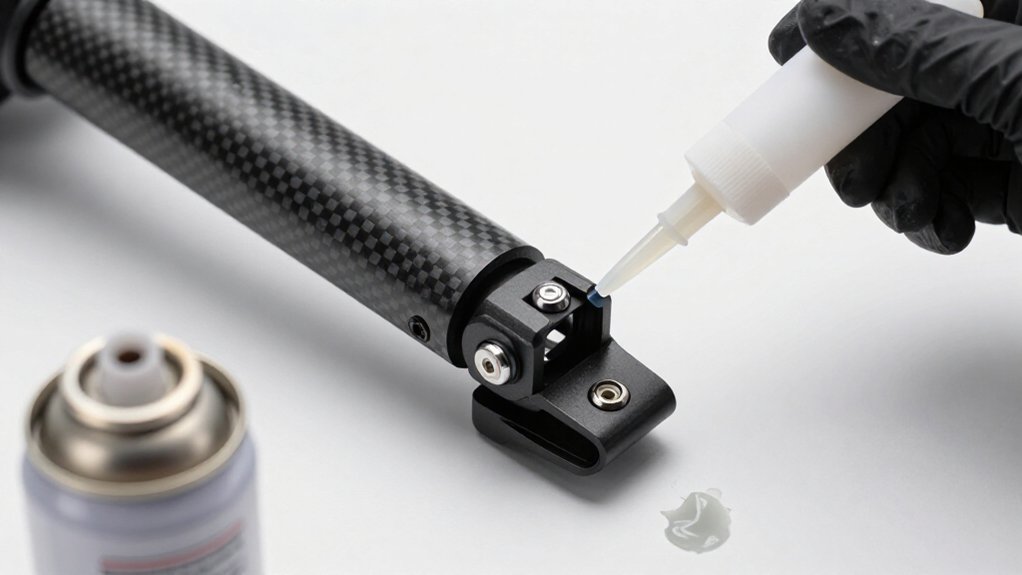
Lubricate tripod twist locks only if your manufacturer recommends it; many work best with clean, dry threads.
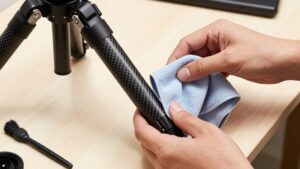
After mud, sand, or salt exposure, rinse with fresh water, wash with soapy water, brush grooves, and dry parts completely before reassembly.
If specified, use a plastic-compatible product sparingly on threads, never leg tubes or locking surfaces.
Avoid heavy oils and unapproved greases, which can trap grit. Learn how to restore smooth operation with these practical checks.
Keeping Twist Locks Grit-Free
After exposure to salt spray or sand, rinse the twist locks with fresh water, then wash them with warm, soapy water and brush the grooves with a toothbrush to dislodge embedded grit.
You should clean locks regularly. Pay attention to thread flanks and overlapping lock surfaces, where sand can remain hidden.
After washing, dry each lock thoroughly before you cycle the legs. Leave the tripod in sunlight for a few hours, or use compressed air to clear moisture and loosened particles. Otherwise, trapped grit and water can form an abrasive slurry during operation.
If a lock still feels greasy, remove residue with a degreaser such as KH-7, rinse it thoroughly, and reassess the movement. Clean threads should turn smoothly without grinding or catching again.
Plastic-Safe Lubricant પસંદ
Once the locks are clean and dry, choose a lubricant that’s safe for their plastic. For plastic twist locks, use only plastic-compatible silicone grease or a dry PTFE spray, such as WD-40 Dry PTFE. Heavy oil-based products can degrade plastic and collect grit. Apply grease sparingly to threads to prevent binding; keep leg tubes dry, and don’t coat locking interfaces. Avoid sprays that can run into internal shims or bushings, where they may affect alignment or leave sticky residue.
- Check your tripod’s manual for a factory-recommended product.
- Verify that any specified lubricant matches the formulation.
- Treat “262 lubricant” cautiously; MICROLUBE GL 262 contains mineral oil, lithium soap, and additives.
- Confirm compatibility with the exact plastic.
- If uncertain, clean with warm soapy water; lubricate threads only.
After Every Muddy Shoot
After a muddy shoot, rinse the tripod with fresh water as soon as you can to keep grit and mud from drying in the twist-lock threads and grooves. Disassemble the locks if needed, then wash them and the leg shafts with warm soapy water. Use a toothbrush to clear debris from each locking groove.
Let all parts dry thoroughly before reassembly; sun-dry them for a few hours or use compressed air to remove trapped moisture. Don’t add grease or silicone unless your manufacturer specifies a lubricant; these coatings can capture dust, grit, and salt, worsening lock feel and wear.
| Step | Action |
|---|---|
| Rinse | Promptly |
| Clean | Grooves |
| Dry | Fully |
| Lubricate | Only if specified |
Check each lock for smooth engagement before your next outing, carefully.
Degrease Twist-Lock Threads
Remove the legs carefully and brush the twist-lock threads clean, working a thread-safe degreaser into the grooves to lift old lubricant and grit. Rinse thoroughly, then dry every part before reassembly.
If the threads still feel sticky after washing, repeat degreasing as needed until they move smoothly.
Remove Legs Carefully
To clean the twist-lock threads, unscrew each lock fully and slide the leg sections apart carefully. Pull the sections straight apart, keeping track of their order for reassembly.
Wash exposed threads and grooves with warm water, mild dish soap, and a toothbrush before considering lubricant. If they still feel sticky or greasy, work a heavy-duty degreaser, such as KH-7, into the thread ridges with a dedicated brush.
Rinse thoroughly and dry completely; trapped moisture can leave residue and worsen lock feel. Sun-dry for a few hours or use compressed air, then check by touch: threads should feel smooth, not sticky. Repeat degreasing only if needed by feel. Don’t reassemble until threads are clean and dry, or grit and salt may become embedded by lubricant.
Clean Lock Threads
Once the threads and adjacent tubes are washed and fully dry, check the lock threads for sticky or greasy residue.
If residue remains, degrease the threads rather than adding fresh lubricant over grime. Work cleaner into each groove with a small brush, such as a toothbrush, to loosen old lubricant and grit lodged where the lock binds. Keep your effort on the threaded area; avoid spreading residue along the leg tubes.
Rinse the threads thoroughly, then dry them completely before testing their feel. A few hours of sun-drying or compressed air can help remove moisture from the grooves. Once dry, turn the lock and assess whether it moves smoothly. Repeat the cleaning only if the threads still feel contaminated. Residual grease can collect sand and salt, while trapped debris can impair locking action. Don’t re-lubricate until the threads are clean and dry before further assembly.
Choose a Safe Degreaser
If the twist-lock threads still feel sticky or greasy after washing, use a degreaser to clear out old lubricant and grit, especially after saltwater exposure. Choose a heavy-duty product, such as KH-7 Heavy Duty Degreaser, and apply it only to the thread area. Work it through the grooves and crevices with a small brush, such as an OXO Good Grips brush, so the cleaner reaches trapped contamination.
Let it act for a few minutes, then rinse the threads thoroughly and dry them completely; moisture can trap residue and make the lock feel worse. Degrease again only if needed, stopping when the threads feel clean and consistent. Check the grooves for remaining grit. Once fully dry, lubricate only if your tripod manufacturer approves that choice.
Remove Old Lubricant
When warm, soapy water doesn’t remove a sticky or greasy feel, degrease the twist-lock threads to clear old lubricant, salt residue, and packed grit.
Apply a heavy-duty degreaser, such as KH-7, directly to the thread areas. Use a dedicated small brush, such as a toothbrush, to work it into each groove and lift residue from the thread form. Let the product sit for only a few minutes; longer exposure isn’t necessary.
Rinse thoroughly so loosened debris and degreaser don’t remain in the grooves. After the first wash, check how the threads feel. Repeat the treatment only if they’re still sticky or greasy; don’t degrease them routinely when they already feel clean. This targeted cleaning removes contamination without repeated abrasion of delicate small lock components.
Dry Before Reassembly
After rinsing the threads, dry every tripod leg section completely before reassembly. Check each section and twist-lock threads for moisture, especially after saltwater exposure. Trapped water and dissolved salt can combine with residue, leaving grit that raises friction.
If the threads still feel sticky or greasy after washing, degrease them before assembly. Work a heavy-duty degreaser, such as KH-7 Heavy Duty Degreaser, into the threads with a dedicated brush. Rinse thoroughly, then dry every surface fully.
Repeat the treatment only if the threads still feel grippy; aim for clean metal or plastic surfaces without a wet film. Don’t assume you need lubricant afterward: clean, dry threads can be reassembled without grease unless your tripod’s manufacturer explicitly requires it. Inspect lock action carefully before use.
Post-Saltwater Rinse Protocol
After saltwater exposure, rinse your tripod thoroughly with fresh water to remove corrosive salt residue. Open the twist locks and flush their threads and grooves, using warm soapy water and a toothbrush if needed.
Dry every component completely before lubricating or reassembling.
Rinse With Fresh Water
A prompt fresh-water rinse after saltwater exposure removes dissolved salt from the twist locks and leg tubes before it dries into gritty crystals.
Rinse as soon as you leave the water; a shower or garden hose provides enough flow for routine cleanup. Extend each leg and turn the collars while rinsing so water reaches exposed surfaces, but don’t leave the assembly submerged.
If you’re washing the tripod, keep components underwater only briefly—just a few minutes—then rinse again to remove detergent and loosened salt. Afterward, dry the tripod completely before moving or reassembling it. Let it air-dry in the sun for several hours, or use compressed air to remove moisture from accessible gaps. Inspect exposed grooves; salt there can make operation rough.
Flush Twist Lock Threads
Once the tripod is rinsed, flush salt from the twist-lock threads before operating the collars. Fully unscrew each lock and slide out the leg sections so you can reach the threads, grooves, and inner bush surfaces. Hold these parts under fresh running water for about five minutes; this gives trapped salt time to wash out.
Then clean them with warm, soapy water. Use a dedicated toothbrush to scrub each thread groove and the inside of the twist-lock bush. Rinse away all soap and loosened residue. If the threads still feel sticky or greasy after washing, apply a suitable degreaser, such as KH-7, with a separate brush worked into the grooves. Rinse thoroughly afterward. Don’t add lubricant unless your tripod’s manufacturer specifically requires it here.
Dry Before Lubricating
Let every twist-lock and leg tube dry completely after rinsing saltwater before you lubricate anything.
After a fresh-water rinse, leave the tripod open and separated where air can reach the threads, grooves, and bushes. Give it several hours in the sun, or use compressed air to clear water from hidden channels. Don’t grease damp parts: lubricant can trap salt and grit, making locks feel rough and encouraging corrosion or binding over time.
Before applying anything, check that threads and bushes feel clean and non-sticky. If you’ve used WD-40 to loosen old grease, wash it out with warm soapy water, clean grooves with a toothbrush, rinse, and dry fully. Then lubricate only if your manufacturer recommends it; for example, use Benro’s supplied lubricant as directed.
No Gritty Quarter-Turns
To keep tripod twist locks moving through smooth quarter-turns, rinse away sand and salt with warm soapy water and scrub the grooves with a toothbrush.
Rinse the legs again if grit remains, then open the locks and flush the threads. Dry every part fully with sunlight or compressed air before reassembly; moisture and trapped particles can make the next turn rough.
Don’t add lubricant by default: many collars rely on clean, dry threads, and grease can hold dust or salt against them. If a lock still feels sticky after cleaning, degrease its thread grooves with a suitable product, such as KH-7, then rinse and dry again. Lubricate only when the manufacturer calls for it. Apply a light smear to the threads, never packing grease into interfaces where debris can collect.
After reassembly, turn each collar through its travel and confirm it locks without scraping, uneven resistance, or catching.
Cracked Lock Collar
If a twist-lock collar is cracked, treat it as a failed part: even a small split can stop it seating in its groove and make the lock feel loose or inconsistent.
After ocean exposure, rinse the lock assembly with warm soapy water and use a toothbrush to clear salt and grit from the grooves. Dry it fully before inspecting the collar; trapped debris can worsen cracking or binding. Don’t try to stabilize the split with heavy or oil-based lubricant.
Oil may damage plastic, while any lubricant can hold abrasive residue against the damaged part. Replace a cracked internal bush or spacer with the manufacturer-specified service part. Before reassembly, check that the replacement sits fully around the groove and that the white guides or ridges align. Tighten the lock normally; don’t use extra leverage to force engagement, since that can extend the crack.
If you can’t source it, contact the maker for the correct replacement part.
Keep Grease Off Leg Tubes
Keep grease off the smooth carbon-fibre or aluminium leg tubes; apply only a light smear to the twist-lock threads. Grease on tubes attracts sand and salt, increasing grit-driven wear and binding. Keep tube surfaces clean and dry so the locks move consistently.
After ocean exposure, rinse the legs, wash them with soapy water, and scrub stubborn deposits with a toothbrush. Dry them fully before reassembly; trapped salt beneath grease can damage surfaces. Don’t use tube surfaces as a lubricant reservoir.
- Coat threads only; avoid a wet layer.
- Wipe ArmorAll onto lower or middle sections, then remove excess.
- Keep lubricant away from tube-wall contact zones.
- Refit spikes and rubber covers snugly, without grease at contact areas.
- Check tubes are clean and dry before closing collars.
Test Lock Slip Under Load
Once the tubes are clean and dry, check that each twist lock holds under load. Fully extend leg sections and tighten each lock as usual, matching your turn count and ridge alignment. Apply a sustained pull or lift load for your setup. Hold it steady for seconds; don’t use quick taps. Watch for lock rotation or gradual leg movement.
If a section slips, repeat after confirming it’s clean and dry. Remove salt or grit with soapy water and a toothbrush, then dry it.
Change one factor at a time—tightening, cleaning, or reseating the bush—so you can identify the cause. If the leg creeps under realistic load, treat it as a lock problem, not normal flex. Stop using that setup until fixed.
Conclusion
Keep twist locks clean and grit-free before you lubricate them. Use a plastic-safe lubricant approved for your tripod; avoid petroleum grease that can swell collars or trap debris. After mud or saltwater exposure, rinse and dry each leg, then degrease threads if needed.
Keep lubricant off leg tubes. Reassemble and test each lock under load. If turns feel gritty, collars crack, or legs slip, stop using the tripod and service it before next shoot.