Do All Tripods Fit All Cameras? Mount Threads and Plates Explained
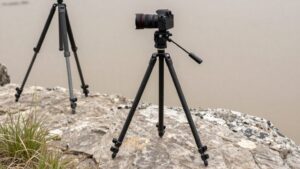
Most tripods fit most cameras, but you must match the mounting thread, quick-release plate, and head’s clamp. A common camera socket uses 1/4-20, while some heads use 3/8-16; an adapter can connect them.
Even matching threads won’t ensure a secure fit if the plate or clamp is incompatible, or a grip blocks seating. Check screw length, condition, and clearance, then test stability with your lens attached. The details explain how to verify each connection.
1/4-Inch Versus 3/8-Inch Threads
Most still-photo cameras use a 1/4-20 UNC mount: a ¼-inch-diameter screw with 20 threads per inch, a standard aligned with ISO 1222:2010. That connection lets you attach consumer camera bodies to compatible plates.
You’ll also encounter 3/8-16 UNC hardware, a larger connection associated with older European equipment and still used on larger-format or specialized gear. Because the two threads differ in diameter and pitch, you can’t screw a 1/4-20 plate directly into a 3/8-16 tripod head, or the reverse.
Use an adapter when your equipment provides one; tripod and head systems often include adapters. Before mounting your camera, check the thread at the plate-to-head interface. Matching that connection, not relying on the tripod brand or camera category, determines whether the parts fasten securely.
Camera Mount Thread Sizes
Your camera’s base usually has a 1/4-20 UNC thread; larger or older equipment may use 3/8-16 UNC. These labels identify diameter and thread pitch: 1/4-20 means a quarter-inch diameter with 20 threads per inch, while 3/8-16 means three-eighths-inch diameter with 16 threads per inch. Most modern cameras use the first size as the consumer and professional standard. Larger or older gear may use the second, including tripod-head interfaces and lighting stands.
| Camera mount | Typical use |
|---|---|
| 1/4-20 UNC | Most modern cameras |
| 3/8-16 UNC | Larger or older gear |
DIN 4503 dimensions resemble UNC, but verify the actual thread. Check your camera’s specifications and included stud or plate carefully before buying a head or plate for your exact camera and head; 1/4-20 and 3/8-16 aren’t cross-compatible.
Using a Thread Adapter
A thread adapter lets you connect a tripod head and camera when their mounting threads differ, such as a 3/8″-16 head stud and a 1/4″-20 camera socket. Check your camera’s tripod socket before buying an adapter; most use 1/4″-20 UNC, while some setups use 3/8″-16 UNC.
An adapter converts between these head connections, so you can match a camera and head without replacing the head. Many tripods include one to switch between 1/4-inch and 3/8-inch fittings. Install it by hand to avoid cross-threading, then snug it appropriately.
A misfit adapter can loosen the connection and reduce stability, especially under a heavy DSLR and long lens load. Confirm that your mounting arrangement is compatible beyond thread size; an adapter won’t correct a proprietary connection mismatch.
Quick-Release Plate Systems
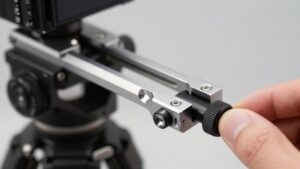
You screw a quick-release plate to your camera’s base, but it must match your tripod head’s locking interface to fit securely. Check the lock’s engagement and any secondary safety features before mounting your camera.
Arca-Swiss dovetail plates work across many brands, while proprietary systems may not.
Plate Compatibility
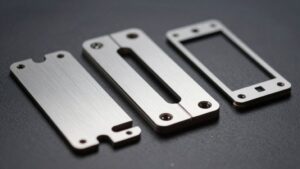
Although most cameras use the same 1/4-20 tripod thread, quick-release compatibility depends mainly on whether the plate matches the tripod head’s attachment system. Most tripods use a plate that screws onto your camera and fits into a matching head for fast mounting and removal. A shared camera thread doesn’t guarantee compatibility: brands often use distinct plate-to-head standards.
Arca-Swiss-compatible plates use a dovetail profile and offer third-party compatibility across heads and brands. You may still need the plate designed for your specific head even when cameras share a 1/4-inch thread. Some setups also require an adapter to connect 1/4-20 and 3/8-16 fittings.
Check the manufacturer’s specifications before buying, since plate shape and dimensions must correspond to the head’s receiver for a fit.
Locking Mechanisms
Once the plate fits the head, its locking mechanism determines how securely it attaches. A quick-release plate usually screws onto your camera through its 1/4-20 UNC tripod socket; an adapter may support a 3/8-16-threaded mount. You then clamp the plate into the head using its lever.
The lever must match the plate’s geometry: systems that look alike may not clamp safely or hold steady. Check your head’s accepted plate type before buying a replacement. Brand-specific designs can limit third-party compatibility. For added protection during movement, choose a setup with a secondary safety pin or lock; it can help prevent accidental detachment. This matters especially when you’re carrying a heavier DSLR-and-lens combination, where an insecure clamp can risk both equipment and stability during abrupt camera repositioning.
Arca-Swiss Standards
Arca-Swiss quick-release systems use a dovetail rail on the camera plate that fits a matching clamp on the tripod head, so compatibility depends on the rail geometry—not just the camera’s mounting thread. Many modern plates labeled “Arca-Swiss compatible” let you move gear between brands quickly, provided the clamp and rail geometry match.
Check the plate’s rated load against your camera-and-lens weight; a mismatched capacity can cause looseness or instability. Some heads use proprietary clamps, so you’ll need an adapter or replacement clamp. Plate mounting screws may be 1/4-20 or 3/8-16, but those threads don’t determine clamp fit.
| Feature | Check |
|---|---|
| Compatible plates | Rail and clamp geometry |
| Load safety | Camera-and-lens weight |
Before buying, confirm clamp profile and load rating suit plate and complete camera-and-lens setup safely.
Camera Body Design
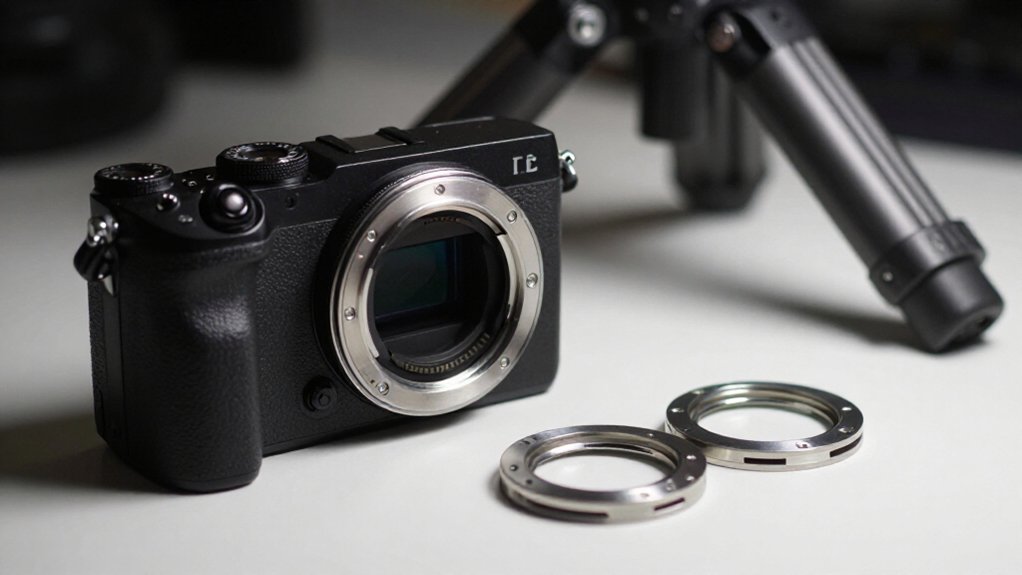
Your camera’s body shape can affect how securely a tripod head or plate fits. Check whether its built-in tripod socket uses a standard 1/4-20 or 3/8-16 thread, or requires an adapter.
If you use a battery grip, confirm that its socket and added clearance work with your tripod setup.
Body Shape and Mounts
A camera’s body shape affects how securely a tripod plate fits, even when its socket uses the common 1/4-20 UNC thread. You need a plate that aligns with the camera’s base mounting point and sits securely against its contours. Compact, action, and other non-standard bodies may require a model-specific plate or adapter; a universal plate won’t necessarily sit flush.
Recessed or offset mounting points can also affect contact and stability, despite matching thread sizes.
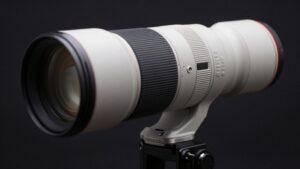
On larger or specialized bodies, check whether a plate’s thickness or quick-release design clears battery grips, side ports, and lens-alignment hardware. A plate that interferes with these features can prevent a secure fit or obstruct access. Some large lenses use their own tripod support, so you may need to mount the lens separately rather than rely on the camera-body plate.
Built-In Tripod Sockets
Most cameras have a threaded socket built into the body’s base for attaching a tripod and stabilizing the camera during long exposures. The common thread is 1/4-20 UNC: a quarter-inch diameter with 20 threads per inch.
You’ll find this size on most camera bodies, while some heavier professional systems use a 3/8-16 UNC socket. DIN 4503 standardizes camera and accessory tripod connections, so compatible plates and adapters can interchange.
However, matching the socket thread alone doesn’t guarantee a fit. If your tripod head uses a quick-release plate, you also need a plate or adapter that matches both the camera’s threading and the head’s system. The body socket remains the primary built-in attachment point; certain large-lens setups may offer a separate tripod thread for added support.
Battery Grip Compatibility
Although a battery grip may use the camera’s standard 1/4-20 tripod socket, its added bulk can prevent a mounting plate from seating flush or fitting securely in the head. Grips differ by camera model, so a plate that fits your body’s base thread may not support the grip’s altered profile. A thicker base, added rails, or vertical battery plate can obstruct a plate edge; you may need a grip-specific cutout or adapter to keep the camera level.
The shared 1/4-20 UNC thread doesn’t guarantee alignment: the grip can shift your camera’s center of gravity and its landing position on a quick-release plate. With an Arca-Swiss-style dovetail, interference may stop the plate seating fully in the clamp. Before shooting, confirm you can tighten the screw without cross-threading, then check that the grip doesn’t obstruct the clamp’s secondary locking pin or compromise plate security. Test the assembly before use, especially with heavier lenses attached.
Macro Lens Mounting Clearance
When close-focusing or focus stacking, ensure that your macro lens has clearance from the tripod head and mounting plate. A head can place your camera and lens higher or farther from the plate, letting the hood or front element strike the head or plate as you focus close.
With a quick-release plate, its thickness and camera height affect clearance at short distances; check the space before mounting. In low-angle or horizontal setups, the center column or rapid-release mechanism may obstruct lens travel when you move close to your subject. Some heavier macro lenses provide tripod-foot mounts; use one to improve stability and preserve clearance from the main head. Confirm the exact body, lens, plate, and screw or adapter: matching threads alone won’t ensure clearance.
Thread Wear and Damage
Repeated use or heavy loads can loosen 1/4-20 UNC and 3/8-16 UNC tripod connections, especially if the screw, plate, or camera socket is worn or cross-threaded. When a plate loosens, inspect its fasteners and the camera’s socket for visible wear, deformation, or damaged threads. Poor thread engagement can prevent the plate from staying secure, so don’t force a screw that resists turning; remove it, check alignment, and retighten carefully.
Examine the plate itself for scratches, bent edges, corrosion, or cracks, which can reduce accurate contact with the camera. Clean it with a soft, dry cloth, and replace it if you find cracks or heavy wear. If the connection remains loose despite sound, aligned threads, a small amount of removable blue Loctite 242 threadlocker can help secure it while allowing later disassembly. Check the connection periodically, particularly when you carry heavy gear. Avoid using a damaged plate until you replace it.
Overtightening the Camera Screw
Overtightening a camera’s tripod screw can cross-thread or strip its 1/4-20 UNC or 3/8-16 UNC socket, leaving the mount unsafe. Your camera’s mount is a small threaded hole, so excess force can crack or deform the base and misalign the plate. Start the screw by hand; it should turn smoothly before you use a tool for a final snug.
- Stop if the plate resists; forcing it can cause galling, or metal-on-metal wear, and weaken threads.
- Tighten only until secure, not to maximum torque; excess force raises damage risk.
- If the plate keeps loosening, check fit or worn threads instead of tightening harder.
A snug keeps the camera stable without stressing the mount; stop when secure, and don’t use added leverage to compensate for resistance.
Inspect the Mounting Screw’s Length
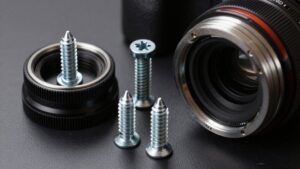
Check the mounting screw’s length as well as its thread size, usually 1/4-20 UNC, sometimes 3/8-16 UNC, because a screw that’s too long can bottom out and damage the camera’s base. Hand-thread the screw before mounting your camera. It should engage smoothly, without resistance or cross-threading; this also helps you judge whether it suits the threaded hole’s depth.
Use a tripod head and plate designed to match your camera’s base so the screw can tighten securely. If it won’t clamp firmly, the screw may be too short, even if its thread size is correct. Account for plate thickness and any adapter stack, since these change how far the screw reaches into the camera. Check clearance before tightening fully. Never force a screw that feels wrong or won’t seat; stop and check whether you need another length or an adapter.
Conclusion
Most tripods can support most cameras, but you still need to match the connection. Check whether your camera uses a 1/4-inch or 3/8-inch thread, and use a suitable adapter only when needed. Confirm that the quick-release plate fits your tripod head, clears the camera body, and doesn’t interfere with a macro lens.
Before mounting, inspect the screw’s length and condition. Tighten it securely, not excessively, to protect the threads and keep your camera stable and reliable.