Are All Arca-Swiss Plates the Same? Compatibility Gotchas to Check First
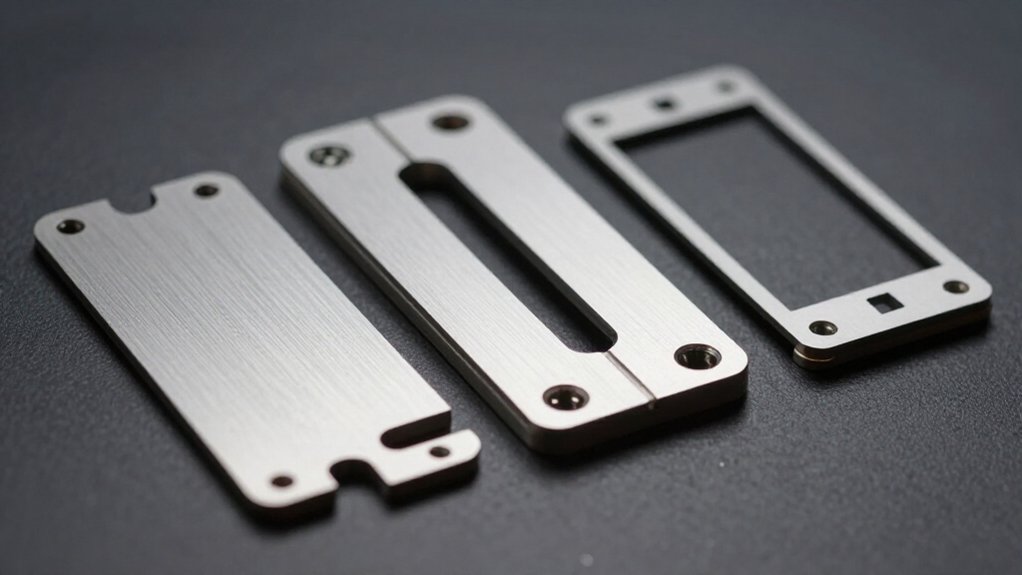
No—you can’t assume every Arca-Swiss plate fits every clamp: dovetail width and angle, jaw shape, and wear affect contact and locking. Dry-fit it; make sure it seats fully, jaws close without force, and your camera won’t rock or slip.
Check clamp threads and ball-head receiver too; the common 1/4-20 camera screw doesn’t standardize them. Verify battery-door and strap-lug clearance. Temperature and debris can change grip.
Additional compatibility checks can help you avoid surprises when mounting.
Jaw Width and Dovetail Fit
Although Arca-Swiss compatibility centers on the dovetail, plates don’t all match the same: the typical profile is about 38.1 mm wide with 45° sides, but some makers use different angles, such as 60°, that can prevent complete contact.
But geometry alone doesn’t ensure fit. Jaw width and profile affect edge contact; plates may sit proud or bind. Mixed-brand plates can feel loose or tight in legacy clamps.
Inspect the jaws. Dry-fit the plate in its clamp; confirm full seating and a lock without rocking. Visual alignment can’t prove compatibility.
Clamp Knob Thread Differences
A plate’s standard 1/4-20 camera-mount screw doesn’t guarantee that clamp knobs are interchangeable: clamp-side thread diameter and pitch can vary by manufacturer. Most camera plates follow the 1/4-20 tripod screw pattern specified by ISO 1222:2010, but that standard governs camera mounting, not the clamp knob. Some Arca-style clamps use proprietary thread sizes, so a generic replacement, or a knob from another brand, may turn briefly yet fail to draw the jaws fully together. Confirm the knob’s major diameter, thread pitch, and, where relevant, length before swapping it.
Screw-knob clamps may accommodate modest plate-width or thickness variation better than fixed-action closures, but a mismatched thread can prevent full compression and erase that tolerance. During a fit check, turn the knob to full lock and confirm it hasn’t bottomed against the clamp body; early stopping can leave the plate only partially seated, before trusting the clamp’s secure hold.
Ball-Head Mounting Checks
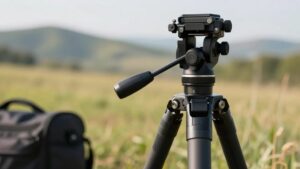
Even with the clamp-knob thread confirmed, your ball head may not seat every Arca-style plate securely: dovetail angles and profiles can differ, including 45° and 60° designs.
Check that the jaws close fully around the plate and provide positive locking feedback. Tighten the clamp several times, then perform a tug test. Watch for side-to-side play or rocking, which can reveal incomplete contact, even when bench fit seems acceptable.
For mixed rigs, screw-knob clamps accommodate small height or thickness differences better than fixed-closure lever designs. If your head uses a fixed-position receiver, including a legacy bubble-nib style, dry-fit the plate first; base-height differences may keep it from contacting the jaws. Don’t rely on label claims alone; verify each plate on your head before use.
Plate Standards and Profiles
When you compare plates, check dovetail width against the receiver; the common reference is 38.1 mm, but manufacturers may vary.
Confirm the rail angle, since a 45° receiver may not securely clamp a 60° profile. You’ll also need to match plate profile height, because it determines where the dovetail surfaces engage under clamp load.
Dovetail Width
How closely does an “Arca-Swiss” plate match the standard dovetail? Most plates follow a 38.1 mm width, but makers’ tolerances and edge profiles can differ. That variation matters where the plate first contacts your clamp: an altered shoulder may reduce grip or let the plate shift before or after tightening.
Don’t judge compatibility by width markings or an aligned appearance alone. Insert the plate into your exact clamp, tighten it, and confirm that it seats fully and locks without movement. Then repeat lock-and-unlock cycles. You should get consistent seating and firm lock feedback every time.
A plate marketed as “Arca-Swiss style” may not follow standard geometry closely enough for reliable engagement, so verify its fit before you trust the setup with your camera.
Rail Angle
Width is only one part of an Arca-Swiss fit; the standard dovetail profile uses a 45° rail angle and a 38.1 mm reference width. Some brands call a plate Arca-compatible while cutting rails near 60°, not 45°. That difference can make the plate seem close on insertion yet bind as you tighten the clamp, or stop the jaws from closing fully.
Don’t judge compatibility by a loose, visual drop-in: the clamp’s jaw shape and relief must meet the rails correctly throughout tightening. A plate may appear seated on a bench but fail to lock completely under load. In a mixed system, test the exact plate-and-clamp pairing.
Fully lock it, check closure and security, then repeat locking and unlocking several times. Consistent engagement matters; if the clamp feels tight, uneven, or incomplete, treat the combination as incompatible rather than forcing it against the receiver on every cycle before use.
Plate Profile
Plate-profile compatibility depends on the dovetail’s full geometry, not just its nominal width. Most Arca-Swiss plates use a 45° reference profile, but some Arca-style systems use 60° angles; those plates may bind or stop short of full seating despite looking alike.
Cross-brand fit usually works when profiles closely match, yet small differences in effective width and 45° start height can change jaw engagement. Common ARCA and RRS references use about 38.1 mm width, but cite start heights near 1.905 mm and 1.5 mm, respectively. That gap can make a seemingly compatible plate feel fussy in your clamp.
Check edge shape and anti-slide features, too: they affect contact. Before relying on mixed gear, confirm the plate drops in and locks with positive, complete engagement under normal clamping pressure.
Temperature and Wear Effects
Cold can tighten your plate’s fit as dovetails and clamp jaws contract, while heat can expand them and change how the clamp locks. As temperatures shift, burrs and surface finishes may affect seating and clamping friction.
Repeated use can wear the dovetail shoulders and jaw faces unevenly, reducing contact and introducing play even when the plate appears locked.
Cold-Weather Fit Changes
When temperatures drop, metal dovetails and clamp jaws contract slightly, while grease can stiffen, making a plate that clicked in at room temperature feel tighter or sit less fully. Repeated freezing can reveal gaps, even when the width looks correct; a nominal 38.1 mm measurement doesn’t confirm angle or seating.
| Condition | Compatibility risk |
|---|---|
| Cold contraction | Reduced clearance |
| Mixed-brand profile | Poor locking feedback |
| Snow or grit | Interrupted contact |
| Chilled test | Confirms fit |
Fixed-height receivers with nibs leave little tolerance; contraction can make mixed-brand or wrong-angle profiles fail positive locking feedback. Snow and grit can interrupt contact seating despite insertion.
Dry-fit and chill the pairing; lock and release, confirming full seating without force and consistent click or indicator feedback. Width alone isn’t proof.
Heat-Related Expansion
Heat can tighten a marginal mixed-brand fit as components expand, while cold may make the same pairing feel looser. A clamp’s jaw pressure and the plate’s 45-degree dovetail contact can shift slightly with temperature, changing how fully the plate seats.
If your combination barely fits at room temperature, sun-warmed gear may bind or resist sliding into position; cooling can reduce contact and make the fit feel less secure. These small changes matter because Arca-Swiss compatibility depends on the clamp-and-plate pairing, not branding alone.
Test the rig under field conditions, then verify full seating and positive locking feedback after exposure to heat or cold. Don’t rely on visual alignment. If the plate rocks or stops short of its position, recheck fit before carrying equipment overhead.
Wear Alters Clamp Grip
Repeated clamping, debris, and temperature shifts can wear a plate’s 45-degree dovetail edges or smooth a clamp’s jaw surfaces, reducing grip even when the nominal width matches. You may see polished or deformed edges lose bite, increasing micro-slip under load. Warming can change metal expansion and finish or lubricant behavior, so a mixed-brand clamp may feel solid cold yet looser warm.
Worn jaws can narrow grip despite a matching 38.1-mm-class width. A normal locking click doesn’t prove full seating: contact may shift from dovetail high points onto flatter regions.
| Check | Compatibility clue |
|---|---|
| Plate edges | Polishing or deformation reduces bite. |
| Clamp jaws | Smooth surfaces weaken seating. |
| Warmth | Movement after warming signals tolerance loss. |
Lock the same plate repeatedly, then rock it side to side; progressive movement confirms grip loss.
Battery-Door Access Check
Even with a compatible Arca-Swiss dovetail, a plate or L-bracket can block battery-door access.
“Arca-Swiss” compatibility doesn’t standardize camera-side clearance, so confirm the plate is cut and positioned for your camera model. Before buying, install it and open the battery door fully; taller or longer plates can restrict its travel despite a correct dovetail width. If your camera has a side door, check that the plate’s edge doesn’t obstruct the latch’s swing.
Test with the plate mounted, then lock and release the clamp and confirm you can reach and open the door directly without removing the plate. With an L-bracket or modular bracket, repeat the check in horizontal and vertical positions: bracket geometry may shift the access point or the hand clearance you need.
Locking-Screw Clearance Risks
A plate can drop into an Arca-Swiss clamp yet prevent its locking screw from fully closing if the jaw bottoms out against the plate’s underside or edge bevel.
You may see a successful dry-fit, but tightening can expose mismatched dovetail start-height, machining, or underside shape. A fixed-position jaw or nib can meet a rounded or flat underside; plate thickness also shifts screw clearance. Small height differences between traditional ARCA and RRS-style interfaces can change squeeze. Screw-knob clamps often tolerate minor variation better through horizontal jaw travel.
| Check | Risk | Verify |
|---|---|---|
| Closure | Jaw bottoms | Full, unforced closure |
| Stop | Screw stalls | Normal knob stop |
| Stability | Uneven squeeze | No side-to-side rocking |
Test the exact plate first before field use: confirm unforced closure, normal screw stop, and no side-to-side rocking.
Misreading “Arca-Swiss Compatible”
Why can an “Arca-Swiss compatible” plate still fit poorly? It means the plate fits a style of clamp, not every maker’s dimensions. Treat compatibility as a profile claim, then verify the geometry and clamp action:
- A 45° dovetail matches the typical Arca-Swiss reference; a 60° profile can change seating.
- Compare dovetail width with the ~38.1 mm baseline; small differences may reduce contact.
- Inspect edge and profile shape; matching width alone doesn’t guarantee full contact.
- Check receiver behavior: tolerant clamps may lock differently from clamps requiring full seating.
- Test the exact pair; confirm full seating and positive locking without force or side-to-side play.
Dry-fit, then lock and disengage. If you feel resistance or movement, don’t assume the label guarantees a interface; choose a verified combination.
Check Strap-Lug Clearance
Check strap-lug clearance with the exact camera, plate, and clamp, since a nominally compatible plate can still interfere with the strap. Before you assume interchangeability, confirm that neither lug contacts the plate’s top or bottom edge, nor a clamp nib or anti-slide feature. Check landscape and portrait/L-bracket positions; rotation or shifting can change clearance by several millimeters.
Inspect thick anodized edges, nearby cutouts, and screw-head recesses, which can narrow clearance and make your strap drag or snag. With an L-bracket or modular bracket, test both side and main plates: stacked thickness may move a lug closer to the clamp. Dry-fit your exact combination, then move the strap with the clamp lightly locked and fully locked; this reveals interference a bench fit can miss easily.
Conclusion
Before you buy, verify the plate’s dovetail profile, width, clamp fit, and screw clearance against your specific head and camera. Check mounting threads, strap-lug and battery-door access, and test the clamp’s locking action with the plate fully seated.
“Arca-Swiss compatible” does not guarantee identical dimensions or secure engagement. Temperature, wear, and manufacturing tolerances can also affect fit. Confirm the combination in practice; never trust a partial clamp or force a mismatched plate.